×

Two Together: Save £100!Save £100 when you purchase two funeral plans together. Call us for more details.


Written by Mitch Tapner.
9 minute read
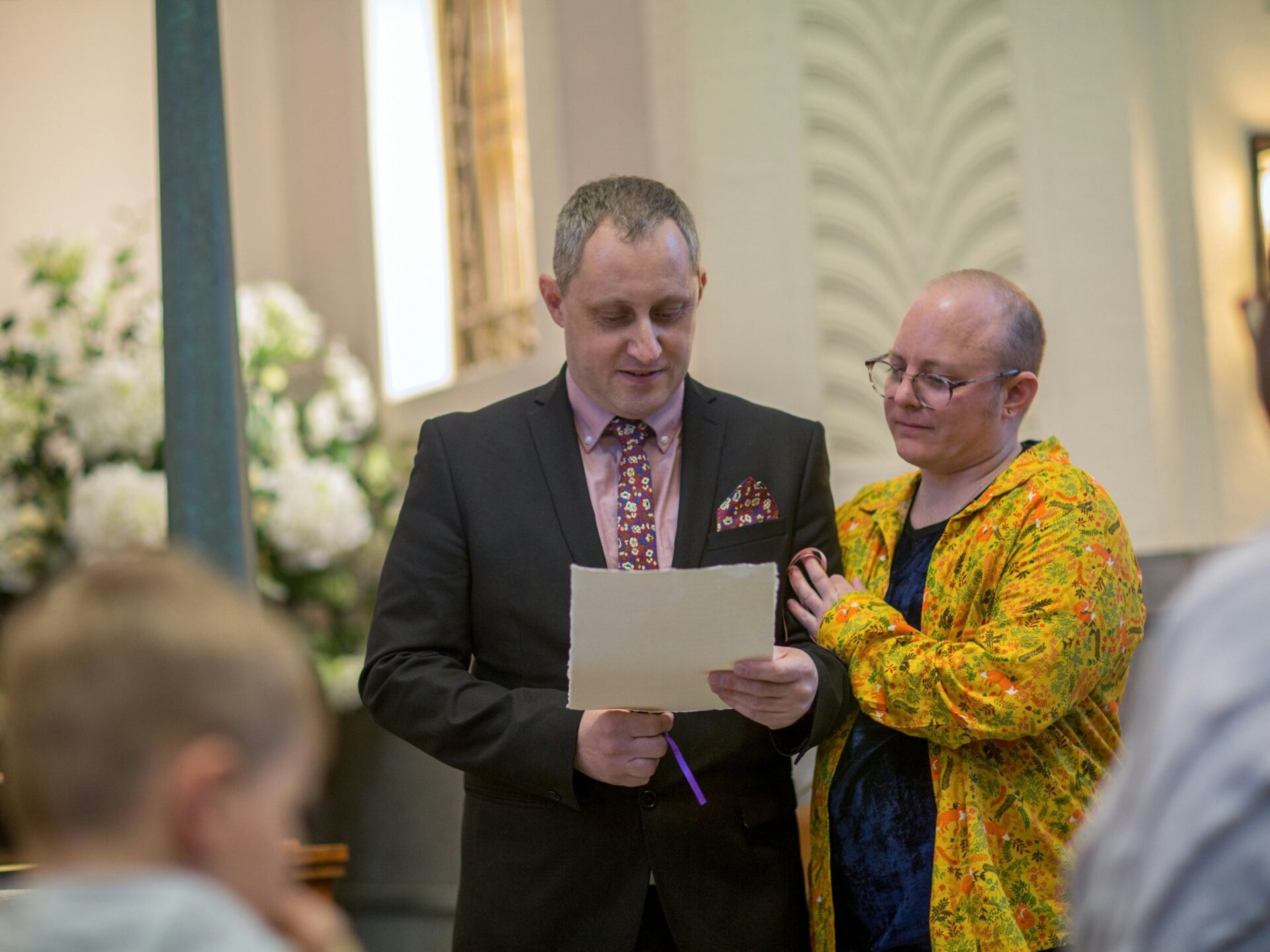
Creating a eulogy is a deeply personal task. It can feel daunting, especially when you’re dealing with grief. But often, it’s the small things that stay with people most. A gentle memory. A heartfelt goodbye.
One part of writing a eulogy that’s easy to overlook is the ending. It’s where everything comes together – the moment when you honour a life, offer comfort, and provide a final takeaway from the service.
Whether you’re writing for a loved one or supporting someone else, we hope this guide helps you find the right words to close with care and meaning.

The final words of a eulogy often stay with people long after the service ends. They’re a chance to honour a life, and offer comfort to those left behind. In the quiet of a funeral setting, when feelings sit close to the surface, how you end a eulogy can make a difference.
It’s not always about finding perfect words. Often, it’s about creating a sense of calm. A few simple lines can bring comfort, offer understanding, and help people begin to say goodbye.
Whether you’re creating a eulogy for a friend or speaking about a parent, partner, or sibling, those closing moments at a funeral can give people space to reflect.
If you’re still unsure what to expect on the day, our guide to what happens at a funeral can help you feel more prepared.
A good ending doesn’t need to be clever or poetic. It just needs to feel honest.
Strong endings are often simple. The most moving words are usually those that come from the heart, rather than a script.
Try speaking naturally, in your own voice, keeping the focus on connection, gratitude and gentle reflection.
A quiet “thank you” can say a great deal. In the emotion of the day, it’s easy to forget – but it matters.
You don’t need to say much. What matters is the feeling behind it.
A short, honest memory can bring warmth to the end of a eulogy. It reminds everyone listening that your grief is shared and real.
For example:
“He taught me to keep going with courage and to laugh, even on the hardest days. I’ll carry that with me.”
These small, personal moments help others remember the person with love.
There’s no need to make the ending complex. What matters most is that it feels sincere.
Try to stick to one clear thought and aim for something that would make the person smile if they were listening.
Some short, gentle phrases that can help end your speech:
Use words that fit the relationship. For a parent, “I’ll miss you, Mum” can say more than a poem. For a partner, “Thank you for loving me” may be all that’s needed.
You can find more inspiration in our eulogy examples and eulogy templates – a useful starting point if you’re not sure where to begin.
Sometimes someone else’s words express what we feel but can’t quite say. A short quote or verse can help, if chosen with care.
You could look for something that feels true to the person, such as their values, beliefs or way of living.
Pick something short and thoughtful. Think about what mattered to them, what they believed or loved.
A favourite book, song, or film often offers more meaning than something well-worn.
Examples:
“To live in hearts we leave behind is not to die.” – Thomas Campbell
“What is lovely never dies, but passes into other loveliness.” – Thomas Bailey Aldrich
If faith or tradition was important to the person, a short verse or scripture may be a fitting way to close.
Spoken with care, a quiet verse can bring a sense of calm.
Sometimes, a short memory or story is the most powerful way to end.
It doesn’t need to be long – just a moment that captures who they were. A kind gesture, a familiar saying, or a moment of joy or courage.
If you’re looking for inspiration, our article on funeral ideas can help you think about small, meaningful touches that reflect the person’s life – whether in the service or in your final words.
You might share:
Example:
“The last thing Dad said to me was, ‘Make someone smile today.’ That’s who he was. And that’s what I’ll try to do, every day.”
Even a bittersweet memory can leave people feeling uplifted.
What you say is important – but how you say it matters just as much.
Take your time. Let your words settle. A calm, steady tone helps your message land gently.
Read your ending out loud a few times. Get comfortable with the pace. Let yourself pause where it feels right.
Write it down. Having it in front of you can help if emotions rise.
And if your voice shakes, or you need a moment – that’s okay. That’s love. And love is the strongest thing you can offer in a moment like this.
Even with care, some endings can feel unfinished or unclear. A few things to watch out for:
It’s best to avoid lines like:
Instead, take a breath. Let the room settle. You might say:
“Thank you for being here to remember her with me.”
It brings things to a natural, gentle close.
Writing a eulogy – especially the final words – can feel like a heavy responsibility. At Aura, we understand how hard it is to find the right things to say when you’re grieving.
If you’re planning ahead, our team can help you record your wishes as part of a funeral plan, including what you’d like said or remembered at your funeral. *Terms and conditions apply. You will receive a funeral plan summary before purchase*
For families arranging a service now, whether it’s a traditional ceremony or a direct cremation, we offer gentle guidance and support every step of the way, from suggesting readings to sharing funeral wake ideas or simply listening.
We’re here to make things a little easier, so you can focus on what matters most: remembering someone with love and care.




If you have any questions, would like a brochure or simply would like a chat through our services, our award-winning team is here to help.
Unlike other providers, we won’t hassle you with constant calls. We’ll simply ensure you have the information you need and leave you to come to a decision in your own time. When you’re ready for us, our team will be ready to help.
The end of a eulogy should feel honest and heartfelt. You might share a short memory, express gratitude, or say a simple goodbye. The key is to speak from the heart and let your words reflect the person you’re remembering.
Yes, if it feels right for the person and the tone of your speech. A short line from a poem, book or scripture can add meaning, especially if it reflects their values or beliefs. Avoid anything that feels too generic or overused.
A gentle, well-placed moment of humour can work – if it suits the person and the setting. A fond memory, a familiar phrase or a shared joke can bring warmth, as long as it’s respectful and in keeping with the tone of the day.
Take your time. A short pause before your final words can help them land gently. Avoid phrases like “That’s it” or “I don’t know what else to say.” Instead, close with something simple and sincere, such as “Thank you for remembering her with me.”