×

Funeral plan prices are changing on 1 JulySecure today's price by calling our team or click here to request a quote.

Two Together: Save £100!Save £100 when you purchase two funeral plans together. Call us for more details.


Written by Mitch Tapner.
9 minute read

Losing someone you love is never easy. When it happens overseas, the distance, unfamiliar procedures, and sudden decisions can make it even harder. Whether your loved one was on holiday, living abroad, or travelling for work, there are important steps to take in the days that follow.
This guide gently walks you through what to do when someone dies outside the UK. From notifying the right authorities to arranging for their return home, we’re here to help you understand what happens next and where to find support when you need it most.

Losing a loved one overseas can feel overwhelming. Alongside learning how to deal with grief, there are urgent steps to take. Here’s what to do if someone dies while abroad.
Start by contacting the local authorities in the country where the death happened. They’ll issue a local death certificate, which is needed later for legal processes or bringing your loved one home. Try to do this as soon as possible, especially if you’re unfamiliar with the local language or laws.
Next, try contact the nearest British embassy, consulate or high commission. They’ll explain what happens next, help confirm the death with local officials, and begin notifying the UK authorities. They’re often the best source of practical help in these early stages.
If the person had travel insurance, let the insurer know straight away. The policy may cover things like repatriation, translation of documents, or funeral arrangements abroad. Try not to make big decisions or payments until you’ve checked what’s included in the cover.
This stage can feel like a lot to manage. If you can, ask a family member or friend to support you.
If a British citizen dies overseas, the Foreign, Commonwealth & Development Office (FCDO) should be informed. This is usually done by the next of kin or someone who was travelling with the person.
You’ll need the following details:
The FCDO doesn’t register the death, but they will record the details and offer practical help. This might include support with repatriation or legal matters, and emotional guidance through the consulate.
British embassies and consulates act as a bridge between families and the local authorities. They can:
They don’t cover the costs or make funeral arrangements themselves, but they can help you understand your choices.
The UK recognises foreign death certificates, but they often need to be legalised. This usually involves an apostille, which is a type of official stamp confirming the document is genuine.
If the certificate isn’t in English, you’ll also need a certified translation. These documents may be needed for tasks such as dealing with bank accounts, probate, or funeral planning.
You don’t have to register the death in the UK, but some families choose to for peace of mind.
You’ll usually need:
The British embassy or a solicitor can guide you through the process. If there’s a will or inheritance to manage, having the correct paperwork in place helps avoid delays.
Bringing a loved one back to the UK after they’ve died abroad is known as repatriation. It can be a complex process, but support is available. Funeral directors often work alongside embassy staff to:
Some families choose direct cremation abroad, then bring the ashes home. This can be a simpler and more affordable option, especially if your loved one didn’t want a traditional funeral.
If your loved one had travel insurance or a prepaid funeral plan, check whether repatriation costs are covered before making any arrangements.
Repatriation can be expensive, sometimes several thousand pounds, depending on where the person died and how they are brought home.
Support may be available from:
Aura can guide you through this process, particularly if you’re arranging a direct cremation or need support with UK funeral plans.

Once the death is confirmed, the person’s UK passport should be returned to HM Passport Office. This applies whether they died abroad or in the UK. Cancelling the passport is a small but important step to prevent identity misuse.
The embassy can help you:
Holding on to the passport isn’t necessary, returning it is part of closing their affairs with care.
Local authorities or hospital staff will usually keep the person’s belongings safe until a family member can collect them. You may need to show:
Make sure you understand what’s being returned. Embassies can provide item lists and help ensure secure transport. Valuables may take longer.
Be gentle when going through belongings, especially phones, documents, or jewellery that may hold emotional or legal value.
When someone dies without a will, especially overseas, the situation can become more complicated. A solicitor with experience in international estates can help you manage things properly.
Key issues to consider:
It’s natural to feel isolated at times like this. Support is available from organisations like Cruse Bereavement Support, or through consular services. Aura is also here to help you with practical matters like cremation, paperwork, or arranging a direct cremation if that feels right for your family.
For many families, arranging the funeral or registering the death offers a sense of closure. However you choose to say goodbye, whether through a full service or a quiet cremation, what matters most is compassion and clarity.
When someone dies abroad, bringing them home can feel daunting. Once your loved one is back in the UK, Aura offers calm, practical help with arranging a low-cost cremation.
We take care of the details, from paperwork to the cremation itself, with or without personal touches like music or ashes delivered to your door. Our team will guide you through what’s needed and make sure nothing important is missed.
We’ll aim to ease the pressure with gentle, compassionate care. There’s also no need to visit us in person as we’ll support you by phone, with no hidden fees or stress.
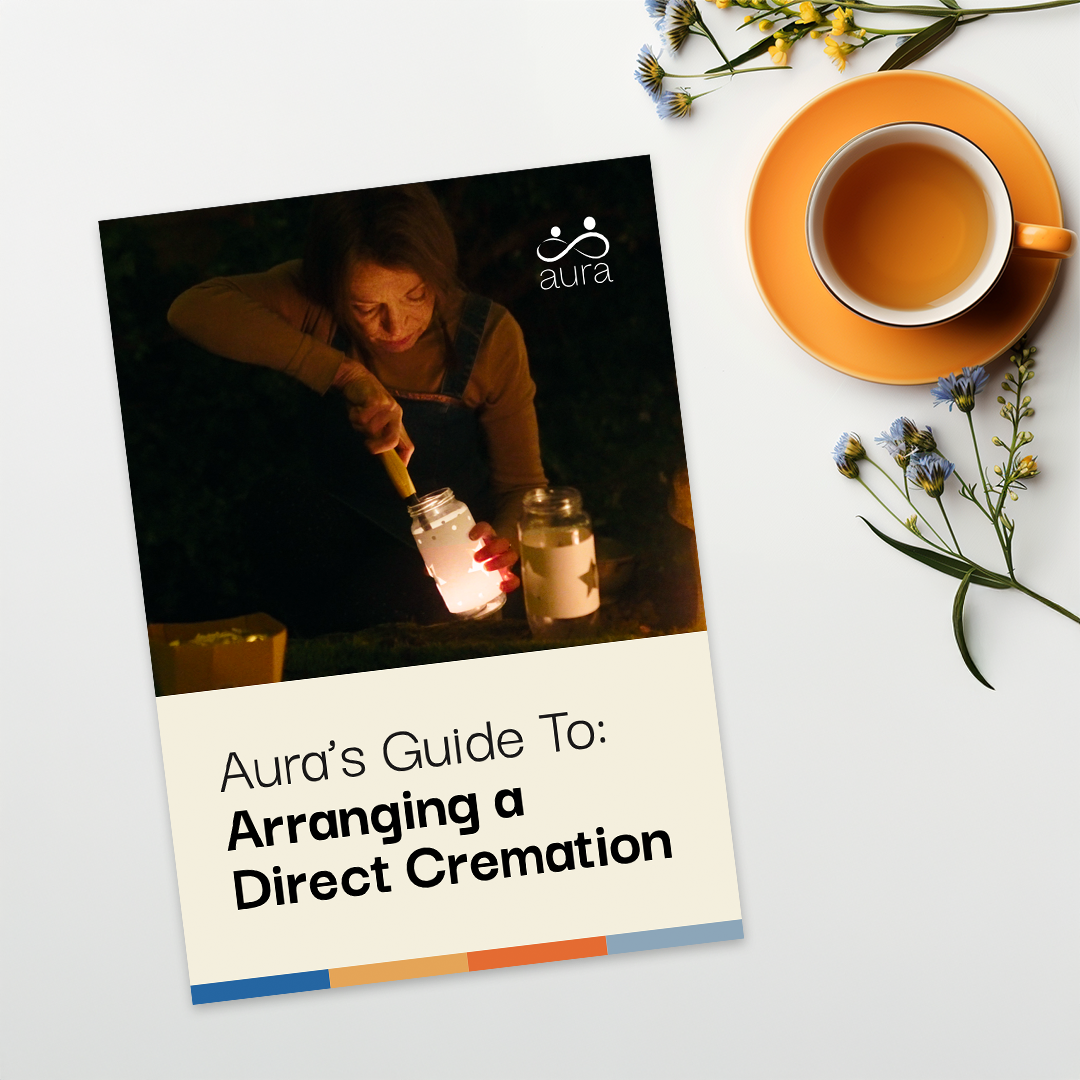
Our free guide to arranging a direct cremation gives you a clear, step-by-step overview of what’s involved, helping you to understand the process and explore whether it’s the right choice for you or your loved ones.
Whether you are thinking ahead for someone on end-of-life care or arranging a funeral now for someone who has passed, we hope this guide can help.
In this guide, you will find:
Start by contacting the local authorities in the country where the death occurred. They’ll issue a local death certificate, which is important for later steps. You should also contact the nearest British embassy or consulate. They can help confirm the death, guide you through local procedures, and support communication with UK authorities.
You don’t have to register a death in the UK if it happened abroad, but some families choose to for peace of mind. The UK accepts foreign death certificates, though they may need to be legalised (with an apostille) and translated into English for use with banks, solicitors, or funeral services.
Repatriation means bringing your loved one back to the UK. It can involve paperwork, permits, and transport arrangements, and it can be costly. However, these costs are often covered by travel insurance or a prepaid funeral plan. It’s important to check the policy before making any arrangements.
The British embassy can offer practical help abroad, and organisations like Aura are here to support you with funeral planning, cremation, and documentation back in the UK. Solicitors, insurers, and charities may also help with legal matters, travel, or emotional support.