×

Two Together: Save £100!Save £100 when you purchase two funeral plans together. Call us for more details.
Written by Emily Cross.
14 minute read
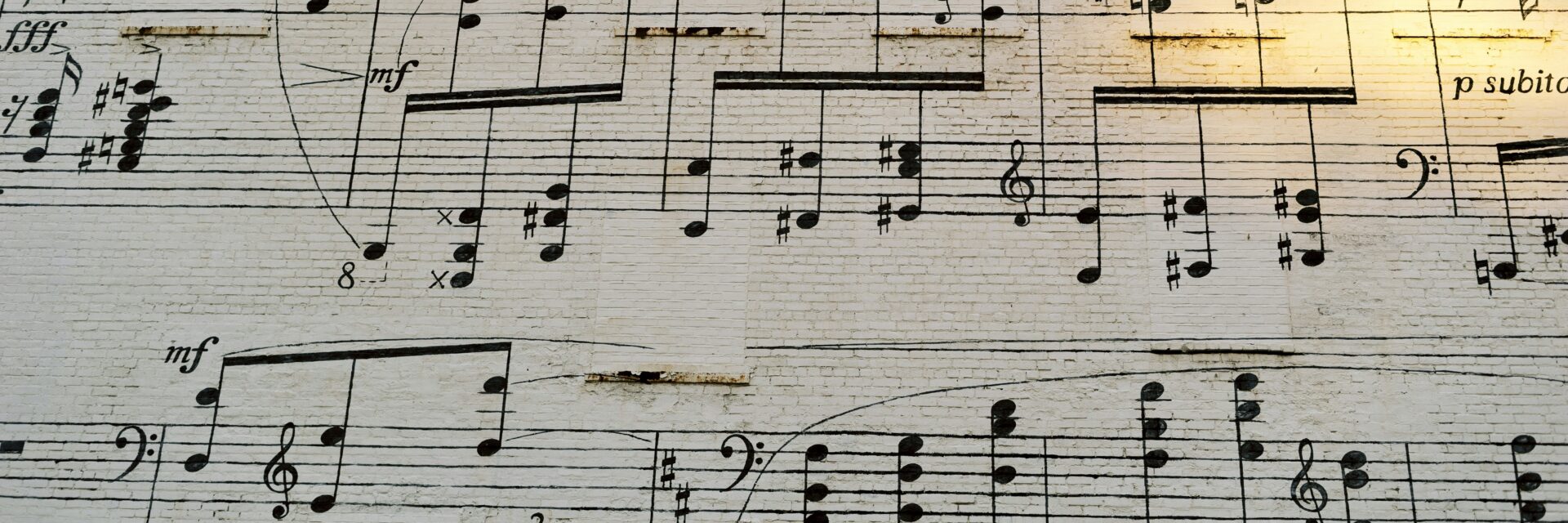
You might be here because you’re planning a funeral either for someone close to you, or perhaps you’re thinking ahead to your own. Making decisions can feel like a big thing to carry, and it’s understandable not to have all the answers right away. Choosing the music can be especially intimidating, because it’s such a personal decision. It’s one that needs to reflect the person, the mood, and the moment all at once.
You already know you’d like to include classical funeral music. It has been part of British funeral traditions for generations for a reason. It’s calm, it’s emotional, and it has the ability to say something when nothing else quite fits in the same way. But with so much to choose from, where do you even start?
If you’re not sure how to structure the service or what to organise first, our funeral arrangements checklist offers a clear, step-by-step way to get started.
Whether you’re after quiet reflection, a sense of peace, or a moment of dignity that holds the room, the right piece can help everyone feel just a little more grounded, even in the midst of grief.
Key takeaways:
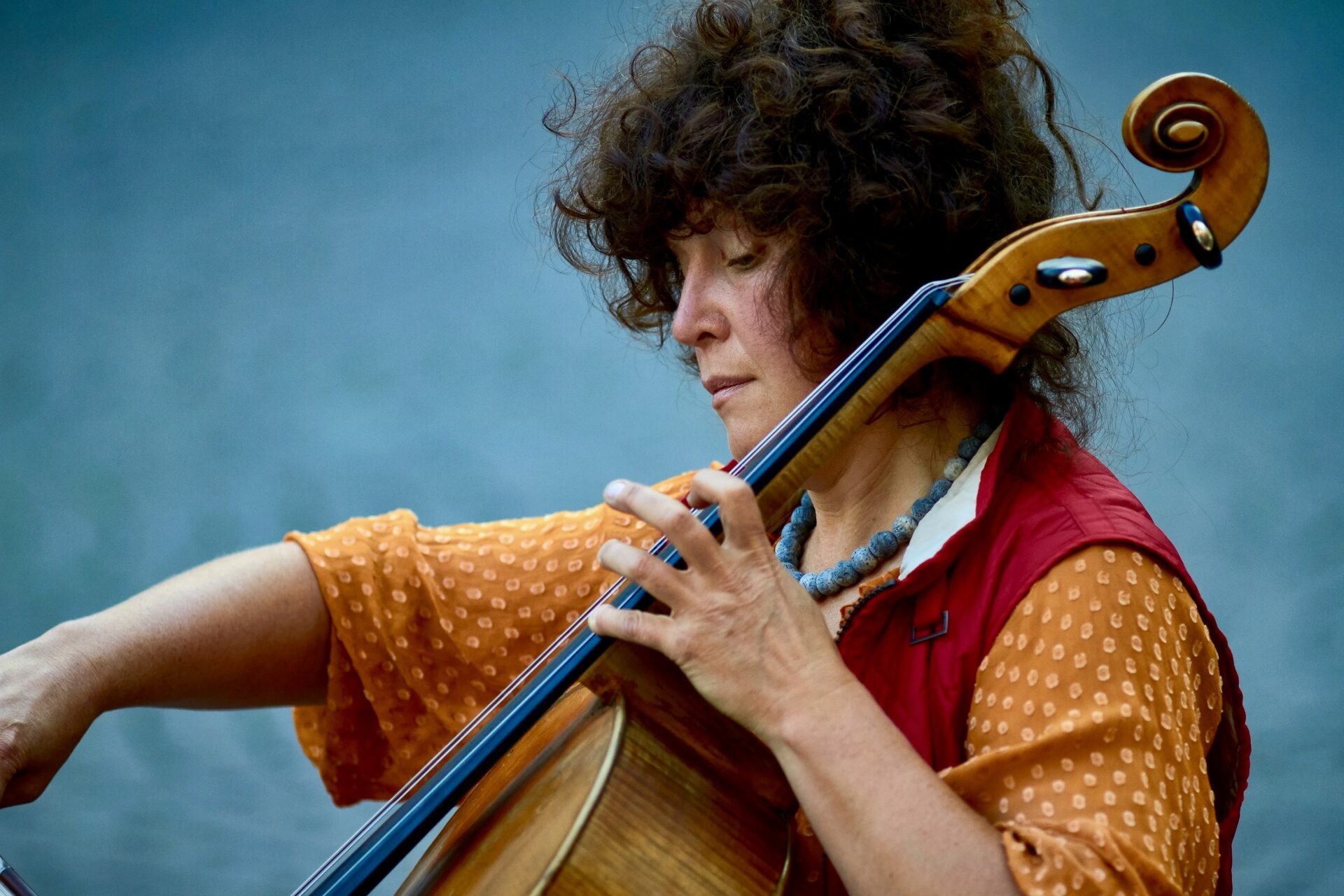
Some of the best funeral songs ever are classical, and for many, the genre carries a peaceful grace. That gentle presence is part of why it has remained a trusted choice to accompany cremation and burial services for so many years. The perfect composition allows people to sit with their thoughts, their memories, and their feelings in a way that doesn’t feel rushed or overly stimulating.
Funerals are rarely one-note. There’s sadness, of course, but that’s usually not the only feeling in the room. Alongside the grief, there’s often love, gratitude, a sense of peace, and sometimes even quiet joy. It’s a mix of emotions that can be hard to express, especially when words can’t quite describe them.
That’s where classical music can provide something special. It has the ability to move through different moods, from the stillness of a solo piano to the warmth of strings, or the power of a full orchestra. It can hold space for sorrow, offer comfort, and carry hope, all within the same piece.
Without speaking, music tells a story. It creates a rhythm to the day, giving people something to hold onto as they say goodbye.
The music at a funeral doesn’t just fill silence, it holds the moment. One of the choices you’ll need to make is whether that music should be played live or recorded. Both options have their own strengths, and what’s right depends on the tone you’re aiming for, your budget, and the setting.
Live classical music can add presence and emotion
A live string quartet, solo pianist, or even a vocalist can create a sense of intimacy that’s hard to replicate. There’s something quite moving about watching someone play in real time, and it can add a special tone to the service.
Recorded music offers consistency and flexibility.
Using high-quality recordings can still be incredibly impactful, and it gives you full control over the version, tempo, and timing. It’s also more cost-effective and easier to manage, especially if the service is short, taking place in a crematorium chapel, or if you’re planning something a little more informal like an end of life celebration.
Things to keep in mind:
Coordinating music at a funeral venue usually involves confirming your choices in advance with the funeral director or venue staff, so everything plays at the right time and in the right order. Here is some more detailed information:
Music can help to shape the atmosphere at each stage of a funeral, offering comfort, focus, or quiet reflection when it’s needed most. In longer services, there may be space for several pieces: for the entrance, during a moment of remembrance or reflection, and as people leave. But in simpler or shorter services, like certain direct cremations or intimate funerals, there might only be time for one or two. That’s why it’s worth thinking about which moments matter most, and which piece will carry the right feeling when it’s needed.
Classical entrance music can set the tone as people gather, offering a sense of acceptance and dignity as the service begins. It should ease people into the ceremony and give them room for emotions to settle.
Depending on exactly how you want the entrance to feel, here are a few suggestions:
Solemn and reflective entrance music:
These are slow, measured, and reflective, perfect for that first moment when people are still adjusting to the reality of the day.
Uplifting and hopeful entrance music
Not every funeral entrance needs to feel heavy. Some families prefer something with more of a light feel– music that hints at peace, love, or spiritual warmth.
You may wish to consider:
These offer calm but carry a quiet optimism, which can reflect the personality of the person being honoured or the comfort of their loved ones.
There’s often a point in the service where people are invited to reflect either in silence, or during a photo montage or personal tribute. The perfect piece here gives people a private space, even in a room full of others.
Popular choices include:
These instrumental works are minimal, open, and emotionally rich, helping people remember, grieve, and breathe.
The end of the service is often where people need a sense of closure. Some prefer to keep this moment formal, respectful, and composed.
Traditional and solemn exit music:
These pieces hold weight and dignity. They help people say goodbye without feeling rushed or overwhelmed.
Uplifting classical exit music
Others prefer to leave on a note of hope or gratitude. Something that reflects the life lived, rather than just the loss felt.
Consider:
For families who want a secular service, classical music is an ideal choice and fits in among non-religious funeral poems, readings and other tributes. Most pieces are instrumental, with no overt religious messaging, yet they still carry meaning and comfort.
Thoughtful options include:
They speak through feeling, not faith, and allow everyone, regardless of belief, to connect.
Classical music can bring emotional depth to a funeral, but it doesn’t have to stand alone. Many people choose to mix classical pieces with other styles such as folk, jazz, choral, or even the person’s favourite songs to create a service that feels more personal and balanced.
You can use classical music to hold key moments
A classical piece at the entrance or exit sets a grounded tone, giving the ceremony structure and formality. After that, a favourite track played during a tribute or photo montage can bring a more relaxed, familiar touch.
Pairing styles can reflect different sides of a person
A person might have loved Debussy and also had a soft spot for The Beatles. Including both honours the full picture of who they were: their depth, their humour, their taste. For families planning together, it can also help bridge different generations and preferences.
There’s no single right mix
You might open with something traditional, add a folk melody during the reflection, and end with an uplifting modern track or popular funeral hymn. Alternatively, you might use classical throughout, but choose pieces that feel emotionally varied. What matters is how it sounds and feels to those who are present.
What matters most is how the music feels to you, to your family, and to the memory of the person you’re honouring.
Some families may be searching for funeral songs for Mum that reflect her personality, strength, or softness. Classical pieces, whether peaceful or uplifting, can offer a deeply respectful tribute that speaks from the heart without needing words.
Here are a few tips when making your choices:
You don’t need to know everything about classical music. Trust your gut. If something feels right when you listen to it, it probably is.
Choosing funeral music doesn’t need to fall on one person’s shoulders. Involving close family or friends in the process can turn a sometimes daunting task into something shared, and a small act of remembrance that brings people together. This coming together is one thing that can be beautiful about death.
Start with memories.
Ask others: What music reminds you of them? It might be a classical piece they used to play in the house, a favourite film soundtrack, or something that simply captures their mood. You may be surprised by the memories that surface: a song from a holiday, a piece they always hummed, or something they danced to at family weddings.
Listen together.
If you’re planning with siblings, children, or close friends, create a short list and listen to the tracks as a group. Even just sitting together and sharing reactions can make the process feel less isolating. Someone might hear a piece differently…as peaceful rather than sad, hopeful instead of sombre, and that might help you decide what feels right.
Use music to connect generations.
Music often skips across age gaps. A grandparent’s love of opera might be passed on through one powerful aria. A younger relative might recognise a classical melody from a film or advert. These connections can create touching moments during the service, helping everyone feel part of the service, regardless of age or background.
Deciding on funeral music is a quiet but powerful decision. It allows personality, values, and story to come through even when you’re no longer here to speak.
By choosing a prepaid funeral plan with Aura, you can let us know exactly what you’d like, whether that’s requesting a live musician, naming a specific version of a recorded piece, or just describing the mood you’re hoping for. Our dedicated team of Aura Angels can take care of the practical details as well as these more personal touches, so your choices are clear and nothing is left to guesswork later on. It means your funeral can feel just right to those you’ve left behind: confident, considered, and unmistakably yours.
All of our plans are fully protected and safely held in a secure, independent trust so you can feel confident that everything you’ve chosen will be carried out just as you intended. Aura is the only provider in the UK with a 5-star rating from Fairer Finance, and we’re proud to be rated 4.9/5 stars on Trustpilot by families who’ve trusted us with something this important. Get in touch today, or download our free funeral planning brochure.
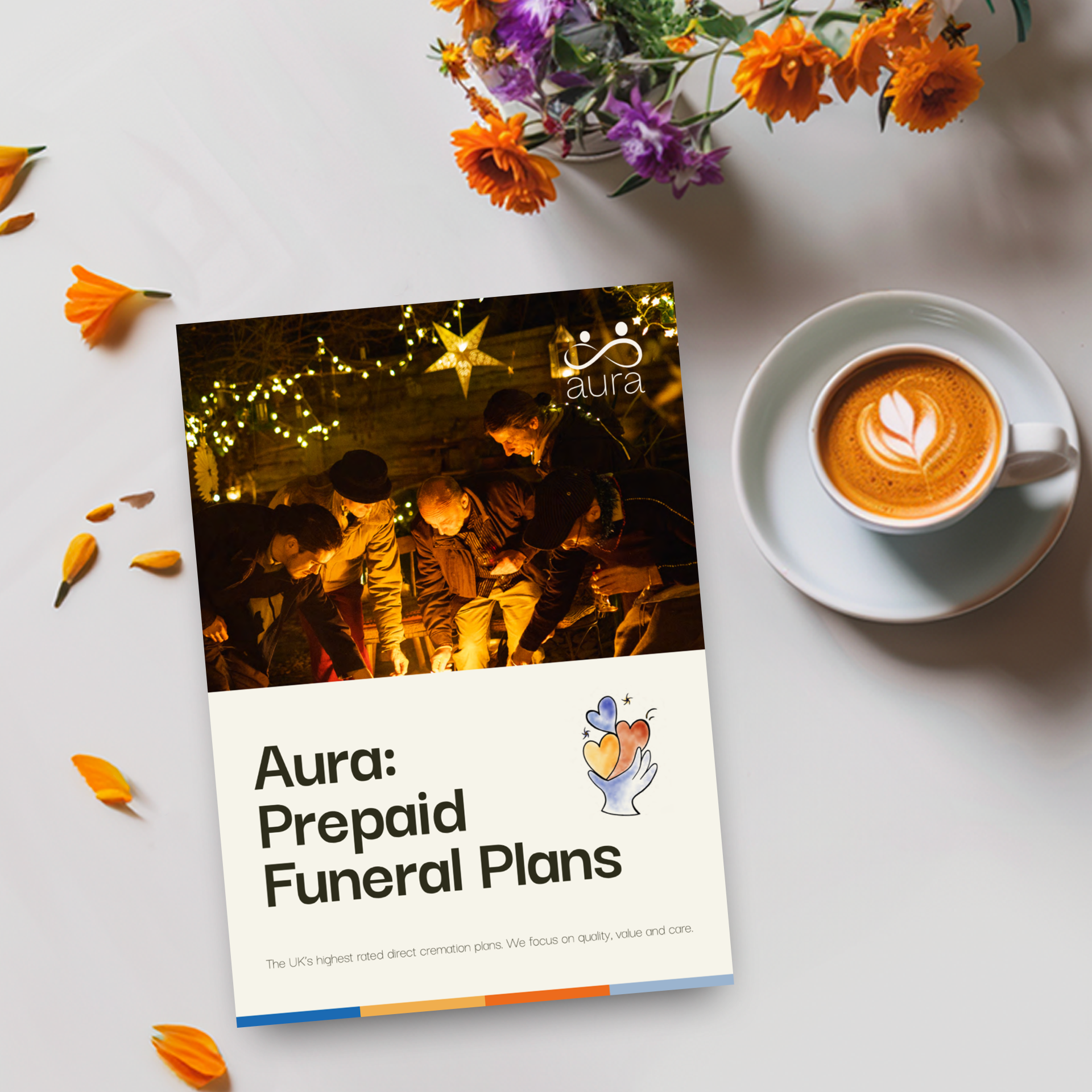
If you’d like to know more about how to plan a cremation with Aura, our brochure is a helpful place to begin.
Our funeral plans are a helpful way to put everything in place for you or someone else.
When the time comes, our experienced team will be here to guide you through each step, offering support and advice whenever you need it.
To find out more about how our plans work, what’s included, and our story, you can request a brochure by clicking the link below. We will then send you a copy by email or First Class post—whichever you prefer.
Classical music offers emotional depth, calm, and dignity—making it a powerful way to express feelings when words fall short. It has been part of funeral traditions for generations because it helps guide people through complex emotions with grace.
Both are appropriate. Live music adds intimacy and presence, while recorded tracks offer control, affordability, and ease of coordination—especially in crematoriums or smaller venues with limited space or equipment.
Popular choices include Adagio for Strings by Barber, Canon in D by Pachelbel, and Clair de Lune by Debussy. For moments of reflection, pieces like Spiegel im Spiegel by Arvo Pärt or Meditation from Thaïs by Massenet are often chosen.
Yes. Most classical pieces are instrumental and free from religious messaging, making them ideal for secular services. Pieces by composers like Satie, Chopin, and Rachmaninoff are commonly selected for their emotional resonance rather than religious content.
Think about the tone you want to set, their personal tastes, or any memories tied to certain pieces. You don’t need to be a classical expert—if a piece feels right when you hear it, it’s likely a good fit.