×

Plan ahead and save up to £200 Save up to £200 on selected funeral plans until 30 September. T&Cs apply. Click here for full details.

Two Together: Save £100!Save £100 when you purchase two funeral plans together. Call us for more details.

Written by Emily Cross.
21 minute read

Hymns have long been a cherished element of funeral services in the UK, and the most popular funeral hymns in the UK have left a lasting impression on countless mourners over the years. These musical pieces have the special ability to provide comfort, hope, and can be a potent means of expressing faith.
In this article, we’ll take a closer look at some of the most popular funeral hymns and share tips to help you choose the right ones for a service. Whether it’s for you or a loved one, we’ll explore how hymns can reflect personal values, celebrate life, and bring everyone together in a moment of remembrance.
You may be drawn to timeless classics, or more uplifting tunes. Perhaps you connect with something more modern— in any case, we hope this guide gives you the confidence to make choices that feel meaningful and true to the person being honoured.
Key takeaways:

Hymns are religious songs that honour God or deities, deeply rooted in ancient cultures like Egypt, India, and Greece. In Medieval times, Christian hymns often featured Latin psalm texts set to simple Gregorian chant melodies, performed by monastic choirs. These solemn and reflective compositions laid the foundation for hymns’ association with worship and spiritual expression.
In British funeral traditions, hymns have long provided spiritual comfort, honoured loved ones, and united mourners. Early Christian practices included hymns during funeral rites to celebrate eternal life and bring peace, often drawing on biblical themes of resurrection and God’s guidance. By the 18th and 19th centuries, hymns became central to Anglican and Methodist funerals, with selections like “Abide with Me” and “The Lord Is My Shepherd” offering messages of hope and solace.
In the UK, hymns remain one of the most familiar and comforting elements of a funeral service. Many traditional funerals — particularly those held in Church of England churches, Catholic churches, or local crematorium chapels — include one or more congregational hymns.
For generations, singing hymns together has formed part of Christian funeral traditions across Britain. Even as more people choose crematorium services or less formal ceremonies, hymns are still widely selected because of the reassurance they offer. Their melodies are recognisable, their words familiar, and their themes of hope and peace can feel grounding at an emotional time.
Whether the service is religious, loosely spiritual, or simply traditional in tone, hymns continue to provide a shared moment of reflection that brings mourners together.
Funeral hymns play a vital role in honouring the life of the person who has died while offering solace to those in mourning.
When selecting hymns, many feel it’s important to strike a balance between tradition and personalisation. Traditional hymns may bring comfort through their familiarity, while modern choices can speak to your individuality or that of your loved one. Ultimately, the hymns should resonate and feel right both culturally and personally.
Many of these are often described as the best hymns for funerals or long-standing favourite funeral hymns by families across Britain.
Traditional hymns remain a popular choice for many UK funeral services due to their deep-rooted connection to faith and their timeless appeal. Some of the most beloved classics include:
These hymns are often chosen for their ability to unify mourners and evoke a sense of spiritual closeness. These are also especially popular as funeral hymns for older generations, who may have grown up singing them in church or school assemblies.
If you’re planning a funeral which focusses on celebrating life, uplifting hymns can bring a sense of joy and hope to the service. Celebratory hymns highlight the positive legacy of a loved one’s life. Consider options such as:
These hymns are well-suited for services with a lighter, more uplifting tone. They convey a more optimistic feeling, making them suitable for services centred on gratitude and celebration.
Modern hymns often blend traditional themes with contemporary melodies. They are ideal if you are seeking a fresh yet meaningful approach. Popular choices include:
These hymns offer a bridge between traditional and modern tastes, and appeal to a wide range of attendees.
Due to the decline of religion in the UK, non-religious services are on the rise. Hymns are traditionally associated with religious services, yet their inclusion in non-religious funerals is not uncommon. Their melodic beauty and emotionally resonant lyrics can transcend faith, offer solace, and create a sense of connection and ceremony to mourners of any belief system and walk of life.
Some families look specifically for non-religious hymns for funerals, or hymns with gentle spiritual themes rather than explicit doctrine.
Universal themes:
Many hymns explore universal themes such as love, hope, and the celebration of a life well lived. These messages can resonate deeply with attendees regardless of religious affiliation. For example, hymns like “Morning Has Broken” or “All Things Bright and Beautiful” highlight the beauty of nature and the joy of existence.
Connection to tradition:
Hymns can provide a sense of familiarity and tradition, even within a secular ceremony. They often hold nostalgic or sentimental value, particularly if you or your loved one has a cultural or generational connection to specific hymns.
Personal meaning:
A hymn chosen for its emotional significance or connection to a loved one can feel very personal, even if its origins are religious. You may select a hymn that was a favourite of your loved one, or reflects their values and legacy. If choosing for yourself, the hymn may be one that speaks to you, despite your non-religious outlook on life.
Musical comfort:
The melodic and contemplative nature of hymns can create a serene and reflective atmosphere, providing a moment of solace for those in mourning.
When including hymns in a non-religious funeral, you can frame your selection around the song’s emotional or cultural significance rather than its spiritual elements. They can be appreciated for their comforting melodies and messages of support, even outside of a faith-based context.
Pairing hymns with poetry, literary readings, or contemporary music can create a balanced service that honours both the spiritual and the non-religious aspects of life.
Some hymns are particularly suitable for non-religious funerals due to their universal messages or non-denominational tone:
While hymns can add depth to a non-religious funeral, it’s important to consider the preferences of your loved one and what they would want at their funeral. If religious elements are explicitly unwelcome, other forms of meaningful music or readings may be more appropriate. If you are leaving instructions about your own funeral in a will or funeral plan, consider whether or not you would be against religious hymns being played.
While hymns are a classic choice, many families opt to include additional elements to further personalise the service, such as alternative music and readings.
Non-religious songs like “My Way” or “What a Wonderful World” can complement hymns or serve as standalone musical tributes. Secular songs serve to resonate with your loved one’s personality and provide a more bespoke touch to the ceremony, making them some of the best funeral songs to select.
Combining hymns with modern music can create a well-rounded service that reflects your or your loved one’s unique personality while maintaining tradition.
In most UK funeral services, two to three hymns are usually sung. These are placed at significant moments during the ceremony, such as:
Coordinating hymn choices with the officiant, funeral celebrant or clergy ensures they align with the service’s flow and tone. Understanding basic funeral etiquette, such as when to stand, sit, or join in singing, can also help attendees feel more comfortable participating in the hymns during the service.
In most UK funeral services, two or three hymns are usually included and placed at key moments in the ceremony. The order of service normally shows when each hymn will be sung, alongside any readings, prayers, music and tributes, so attendees can follow the service easily.
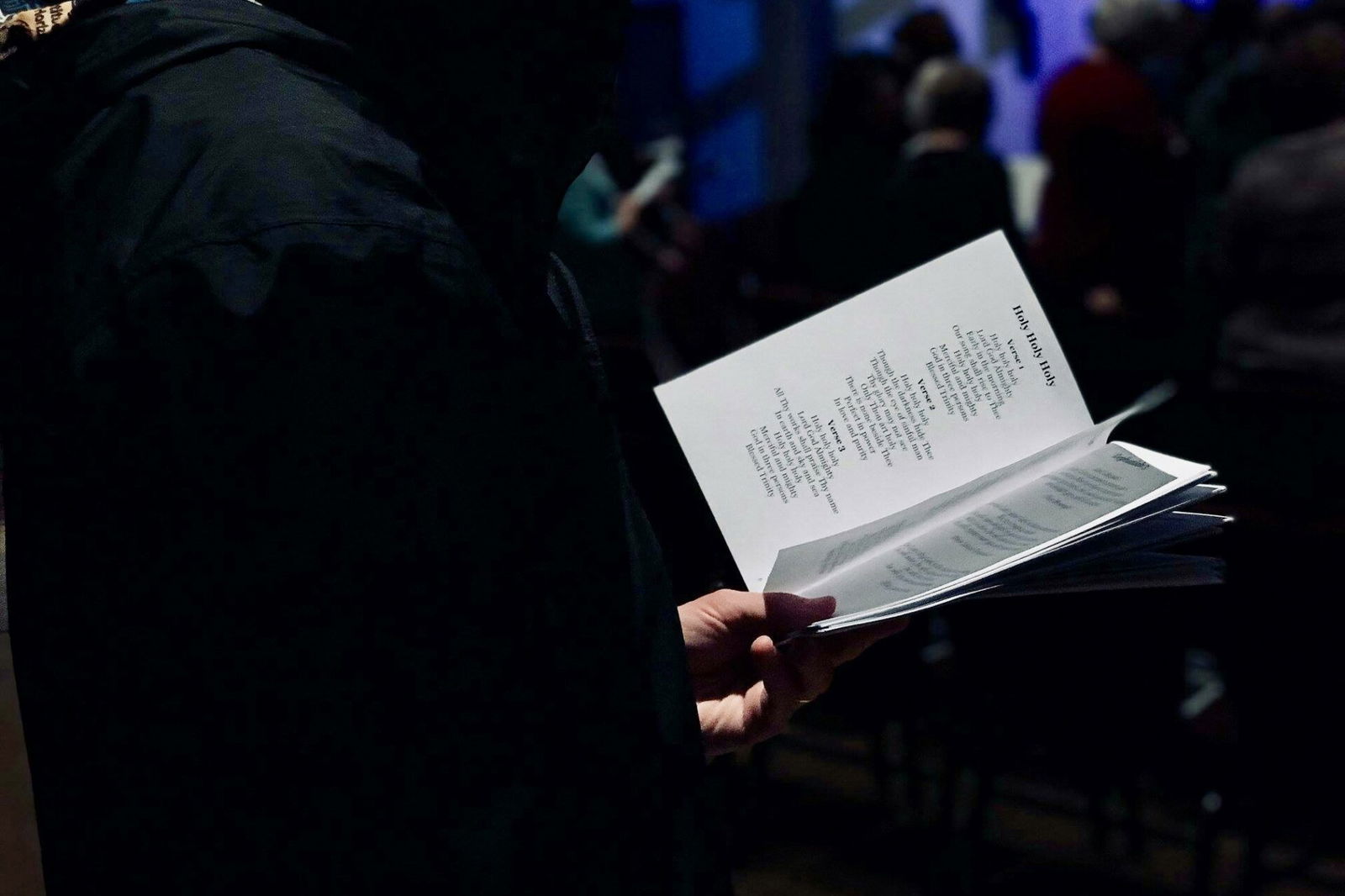
Hymn lyrics are often printed in the order of service booklet so everyone can join in. Some families choose recorded music instead, particularly for shorter crematorium services.
Direct cremations offer simplicity and flexibility, making them a growing choice in the UK due to rising funeral costs and evolving views on funeral traditions. Despite their straightforward nature, these no-fuss funerals can still include hymns, whether attended or unattended, allowing families to honour their loved ones with personal touches like music or readings.
Hymns can be integrated into direct cremations in several ways. Many crematoriums have music systems for pre-selected hymns, ensuring a meaningful goodbye, even in minimal services. For unattended cremations, hymns may still be played as the person is cremated, providing comfort to those unable to be present. Families may also choose to include hymns in later memorials or celebrations of life if they want more music than the short service allows.
Attended direct cremations provide additional opportunities for hymns, though their inclusion depends on the ceremony length. Even brief services of 10 minutes can accommodate one or two hymns, while longer ceremonies allow for a broader selection. For private reflection, families can listen to chosen hymns at home, creating a personal connection to the time of the service.
If you are considering a direct cremation for yourself or a loved one, and would like hymns to be played, Aura can help. We offer no-frills services starting from £1,295, providing dignity and care for you or your loved one without hidden fees. We provide our direct cremation services across mainland Britain, and pride ourselves on our excellent 4.9/5 stars on Trustpilot from the families who have put their trust in us.
Our dedicated team of expert funeral arrangers, the Aura Angels, are there to guide you through the processes of arranging a funeral, making sure you’re always kept informed and up to date. They can help you finalise decisions such as which hymns to include in the service and when, and can make sure the selection of your choice is played even during an unattended cremation.
Whether you’re interested in planning ahead with a pre-paid funeral plan or need to arrange a low cost cremation service immediately, we are here when you need us.
The musical flow of the service should feel non-distracting and intentional, guiding attendees through moments of poignant remembrance and hope. By carefully selecting and arranging music, you can give the best opportunity for the ceremony to resonate with everyone present.
Thoughtfully arranging music can create a seamless and memorable experience, ensuring the ceremony feels cohesive and effectively commemorating the life of the person who has died.
Opening music:
The music played as attendees arrive sets the tone for the service. An instrumental version of a favourite song to evoke a personal connection.
During reflection:
A quiet piece of music or hymn can accompany moments of prayer, contemplation, or silent remembrance. Popular choices include: “Be Still for the Presence of the Lord” for spiritual reflection and “Somewhere Over the Rainbow” for a gentle and uplifting feel.
During readings or tributes:
Though not necessary, background music can enhance the emotional resonance of speeches, eulogies, or poems. For example: soft piano arrangements provide a subtle backdrop to carefully selected words, while instrumental hymns can complement spoken words without overpowering them, creating an anthem of remembrance.
Closing music:
The final song leaves a lasting impression and can provide a sense of closure or hope. You might consider a favourite contemporary song to reflect the loved one’s personality and legacy.
Exit music:
Music played as attendees leave can help guide them out in a mood of reflection or positivity. This could range from a traditional hymn like “Guide Me, O Thou Great Redeemer” or a more modern piece with a celebratory or peaceful tone.
If you’re unsure what might be considered appropriate hymns for a funeral, there are some simple ways to approach this task that can relieve your worry.
When selecting hymns, consider faith, values, and cultural background. Involving family members in the process can lead to even more special or unexpected selections, as they may have stories or other input that illuminates the process.
To help start your journey into the world of hymns, here are ten that are frequently chosen for UK funerals:
Selecting funeral hymns is a personal decision that can help people pay tribute to your memory, or the memory of a loved one. Hymns can bring comfort to those in mourning, and balance tradition with individuality.
We hope that this article has helped you to contemplate funeral hymns and the ways in which they can be incorporated into different styles of funeral. If you’re here, it might be because you have recently lost someone close to you, or you might be thinking about how to prepare for your own funeral in the future.
If you’re looking for guidance on planning a direct cremation or are in need of immediate assistance, we are here to help.
Aura provides a modern, affordable alternative to traditional funerals with our top-rated cremation services. Our caring and compassionate Aura Angel team is here to support you and your family every step of the way, guiding you through the cremation process and offering a listening ear whenever you need someone to talk to.
If you’d like more information about direct cremation and Aura’s funeral plans, then our downloadable guide can help. Find out why others are choosing this affordable, no-fuss alternative to traditional funerals and why it might be right for you too.
Download our guide by clicking the link below and learn more about this simple funeral plan option.
A hymn is a religious song traditionally sung to honour God, often included in funeral services to offer comfort, express faith, and bring people together in remembrance. They’ve long been part of UK funeral traditions and remain a popular choice for both church and crematorium ceremonies.
Not necessarily. Many hymns touch on universal themes like love, hope, and the beauty of life. Some families include hymns in non-religious funerals because the music is familiar or holds personal meaning, even if they aren’t actively religious.
Here are 10 of the most frequently chosen hymns:
Amazing Grace
The Lord Is My Shepherd
Abide with Me
All Things Bright and Beautiful
How Great Thou Art
Jerusalem
Morning Has Broken
Be Still for the Presence of the Lord
Guide Me, O Thou Great Redeemer
In Christ Alone
Each of these hymns brings its own message of peace, praise, or reflection.
Yes. Even with a direct cremation, hymns can be included. Aura offers both attended and unattended options:
Unattended: A hymn can be played during the cremation, even if no one is present.
Attended: Hymns can be played live or through a music system, and families can join in or listen quietly.
You can also play hymns later at a memorial or celebration of life.
They can be. Some hymns are appreciated for their melody, emotional tone, or connection to the person being remembered. For example:
Morning Has Broken celebrates nature and life
I Watch the Sunrise reflects on peace and time
Jerusalem can be chosen for its cultural, rather than religious, significance
It’s always about what feels right for you or your loved one.
Most UK funeral services include two to three hymns, often placed at:
The start: To set the tone
Midway: For reflection or during readings
The end: As a farewell or expression of hope
These placements create a flow that guides the mood and message of the service.
Traditional hymns often come from Anglican or Methodist backgrounds and are deeply rooted in scripture. Examples include Abide with Me and The Lord Is My Shepherd.
Modern hymns blend traditional messages with contemporary melodies, like In Christ Alone or Be Still for the Presence of the Lord.
Choosing a mix of both can balance heritage and individuality.
Yes. Uplifting hymns can celebrate life and leave attendees with a feeling of gratitude. Consider:
All Things Bright and Beautiful
How Great Thou Art
Guide Me, O Thou Great Redeemer
These hymns work well in celebrations of life or services with a lighter atmosphere.
Think about:
The faith and values of the person being remembered
Any favourites they had during their life
The message you want to share (comfort, celebration, reflection)
The attendees’ familiarity with the hymn—will they be able to join in?
You can also involve your celebrant, minister, or Aura’s team to help you decide.
It can be helpful. Printed hymn lyrics in the order-of-service booklet allow everyone to follow along and participate. If there will be a choir or live music, coordinating rehearsals may also be needed to ensure things run smoothly.
If you’re arranging a funeral quickly, Aura’s team can guide you through choosing hymns and ensure they’re available at the crematorium. If a specific hymn isn’t available, we can often upload it or source it for the service.
We also help with:
Music selection for attended and unattended cremations
Advice on combining hymns with readings or secular music
Practicalities like permissions, sound systems, and timings.
Yes. Many families mix hymns with other music, like:
My Way by Frank Sinatra
What a Wonderful World by Louis Armstrong
Somewhere Over the Rainbow
This approach lets you honour tradition while reflecting the individuality of the person being remembered.
Absolutely. Hymns like Morning Has Broken or All Things Bright and Beautiful bring a hopeful, uplifting tone. They can complement stories, photos, and other personal touches to create a joyful farewell.