×

Plan ahead and save up to £200 Save up to £200 on selected funeral plans until 30 September. T&Cs apply. Click here for full details.

Two Together: Save £100!Save £100 when you purchase two funeral plans together. Call us for more details.


Written by Adam McIlroy.
17 minute read

Article reviewed by Judy Carole, Published Author on March 14, 2025.
There is no right way to remember someone you love. Whatever you’re already doing, however small or unconventional it might feel, is a valid act of remembrance.
Effectively remembering a loved one is an important part of the grieving process. Finding the right way to pay respects to them, whether through new family rituals or collecting written or photographic memories together, can help us to heal.
We wanted to put this article together to suggest different ways to remember a loved one. Whether you’re looking for meaningful funeral and memorial ideas, hoping to create personal rituals or simply trying to navigate your own grief, we want you to know you’re not alone. If you’ve recently lost a parent or someone else very dear to you , or feel that it might be something you’ll need to consider soon, we recognise the difficulty of the situation you’re in.
At first, when grief is at its freshest and most raw, memories can feel vivid and constant. Many people worry that, over time, those memories might begin to fade. Looking back, reminiscing and finding ways to actively remember the person who has died can bring comfort and help us feel connected to them as we move through grief.

The desire to actively remember a loved one, such as by holding an end-of-life celebration, choosing meaningful readings or popular funeral hymns or starting a new ritual around their life, often comes from the feeling that we need to avoid letting them fade away in our minds.
When we’re grieving, our memories of the person who has died are likely to feel vivid and close. Over time, many people worry that those memories could become more distant. Reflecting on someone’s life and reminiscing about them can be a healthy and comforting part of grieving.
Rather than needing to completely “let go” of the person who has died, many people find comfort in maintaining an ongoing connection with them through memories, rituals, stories and traditions. Remembering someone and continuing to live your own life are not opposites.
Actively remembering a loved one can also help us create healthy boundaries around grief. It gives us space to honour them intentionally, while also helping us continue with daily life and care for ourselves.
Some of the most powerful ways of remembering someone don’t look like memorials at all. Often, they’re small habits, sensory experiences or quiet routines that help someone continue feeling close to the person who has died.
If you have a recording of their voice, a voicemail, an old video, a voice note or a home film, many people find comfort in keeping it safe. Hearing the voice of someone who has died can feel grounding and reassuring, especially on difficult days.
Cooking someone’s favourite meal or preparing a recipe exactly the way they used to make it, can become a deeply meaningful ritual. Food connects memory, smell, comfort and love in a very immediate way.
Music often carries strong emotional memories. Playing their favourite record, listening to the song they always sang along to or creating a playlist connected to them can help bring them vividly back into your thoughts.
For more ideas, see our guide to songs for remembering a loved one.
Many people keep or wear something that belonged to the person who has died, a jumper, a watch, a piece of jewellery or even a handwritten note. Objects can carry emotional meaning and there is no right timeline for sorting through someone’s belongings.
Many people worry about saying the name of the person who has died because they don’t want to upset others. But saying someone’s name can be one of the most powerful acts of remembrance. It opens the door for stories, memories and conversation.
The next time you mention them, try using their name.
Some families continue including the person who has died in traditions and gatherings, setting a place for them at Christmas dinner, raising a toast on their birthday or speaking about them naturally during family conversations. These small acts can help someone continue to feel part of the family story.
There are many personal rituals that can help us cherish the memory of someone who has died.
The beauty of creating a memorial tradition is that it can be as big or small, as frequent or rare and as private or public as you want.
You might mark certain seasons in a way that helps you remember them, such as always watching their favourite Christmas film in the weeks leading up to Christmas Day. A simple ritual like this can help someone feel close to you and can easily become something shared with wider family members.
You can also tailor traditions around their interests and personality. For example, if they loved sport, you might attend a match or event each year in their memory.
Lots of people choose to create a memorial keepsake box. It can be kept somewhere private at home or displayed somewhere more visible and accessible.
People often include letters, photographs, tickets from shared experiences, small personal possessions or meaningful objects connected to the person who has died. Some families also include ashes jewellery or other memorial gifts.
If you prefer something simpler, creating a photo album can be equally meaningful. Many people find that printing digital photographs and arranging them physically feels more emotionally significant than leaving them stored on a phone or computer.
Some people also choose to preserve memories digitally. Services such as Much Loved allow families to create online memorial pages where photos, videos, stories and messages can be shared together.
Birthdays, anniversaries, Christmas and other important dates can feel especially difficult after someone dies. Often, the anticipation leading up to these days can feel harder than the day itself.
Some people find comfort in making plans ahead of time. That might mean visiting somewhere the person loved, cooking their favourite meal, gathering with family and friends, attending an event they always enjoyed, lighting a candle or writing them a letter.
Others choose quieter forms of remembrance, such as spending time alone, looking through photographs, listening to music connected to them or taking a reflective walk.
There is no right approach. Some people want company and conversation; others prefer privacy and stillness. Both are completely valid.
Remembering a loved one’s birthday after loss and events like Christmas can be particularly emotional for bereaved families. Some people keep traditions exactly the same, while others create new ones that feel more manageable. Both approaches can help.
There are many ways to preserve the memory and legacy of someone who has died, from digital archiving to creative memorial art.
Digital platforms for preserving memories have become increasingly common. Families can now store photographs, videos, voice recordings and written memories securely online.
Cloud storage services and dedicated memorial platforms can help people organise and protect memories long term. Which option feels right will depend on your preferences, how much material you’d like to store and how you want to access it.
Social media platforms such as Facebook also now allow accounts to be memorialised after death, allowing family members to manage tribute settings and preserve memories.
Many people find that creating or commissioning artwork can be a powerful way of remembering someone.
This could include a painted or illustrated portrait based on a photograph, a piece of music inspired by them, a memorial glass piece incorporating ashes, fingerprint jewellery, handwriting pendants or even vinyl recordings made from archived voice recordings.
Some families also choose personal tributes like cremation ashes tattoos or keepsake jewellery.
The process of creating something meaningful can itself help people process grief and feel connected to the person they have lost.
When someone dies, many people naturally begin gathering stories and memories about them, often while preparing a eulogy or planning a funeral.
But preserving family stories can also become a meaningful long-term act of remembrance. Some people keep private journals or scrapbooks. Others create family videos where loved ones share memories and anecdotes.
Recording someone’s humour, personality, sayings and stories can help future generations feel connected to them too.
Many people find comfort in honouring someone through acts of kindness, volunteering or supporting causes that mattered to them.
Some people choose to support charities connected to the person’s passions, values or experiences. This could involve fundraising, volunteering or making donations in their name.
For example, if someone cared deeply about homelessness, children’s education, animal welfare or environmental causes, continuing to support those causes can feel like carrying forward part of their legacy.
Some bereaved families also choose to organise events in someone’s honour. Cruse Bereavement Support’s “A Day for You” initiative encourages families and friends to mark anniversaries by doing something meaningful, such as climbing a mountain, running a race, hosting a garden party or organising a gathering, while supporting a cause connected to the person they loved.
Others choose lasting public tributes, such as planting a tree, dedicating a memorial bench or sponsoring a seat at a theatre or sports ground.
If you’d like to plant a tree in someone’s memory organisations such as the National Trust and the Woodland Trust offer dedication schemes across the UK.
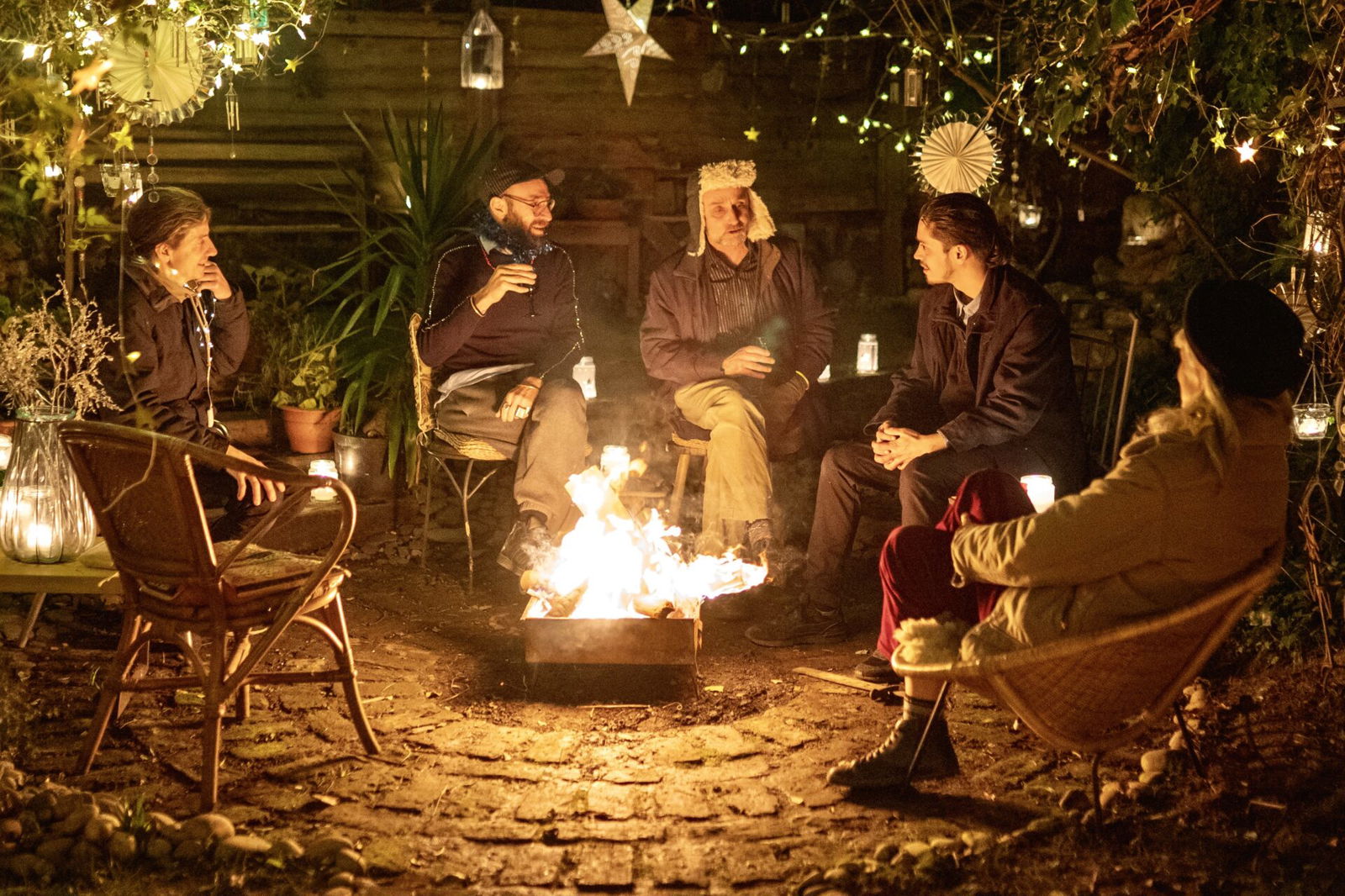
Creative, spiritual and reflective practices can help many people feel connected, comforted and supported while grieving.
Many people find journalling helpful while grieving. Writing can provide a safe, private space to process feelings and memories.
Some people write letters directly to the person who has died. These letters are not necessarily intended for anyone else to read, they can simply be a way of maintaining a sense of connection and expressing thoughts that feel difficult to say aloud.
Others choose to write poetry, stories, music or voice notes inspired by their memories and feelings.
For ideas on meaningful words and reflections, see our guide to quotes for remembering a loved one.
Mindfulness and meditation have become increasingly popular ways for people to cope with grief and emotional overwhelm. Practices such as meditation can help slow racing thoughts and create moments of calm.
For religious people, faith-based practices can also offer reassurance and connection. Lighting a candle, saying a prayer, attending a service or speaking with a faith leader can all become important acts of remembrance.
While funeral traditions in the UK have changed over time, spiritual and religious rituals continue to provide comfort and meaning for many bereaved families.
Some of the most powerful acts of remembrance are shared.
Gathering together with the people who loved the same person creates space to tell stories, laugh, cry and remember openly. For many families, these shared moments become some of the most meaningful parts of grieving.
This might involve a formal celebration of life event held weeks or months after the funeral. Or it may be something informal, such as a meal on their birthday, a walk on an anniversary, watching their favourite film together or attending their team’s match.
Many families who choose a direct cremation also decide to hold a separate gathering afterwards, when the immediate shock has softened and more people are able to attend. There is no rule saying a remembrance gathering has to happen on the same day as the cremation.
We hope this article has given you some ideas and reassurance. If any questions have arisen through anything we’ve written , whether about coping with grief, opening conversations with family or planning a meaningful funeral or memorial , we are here to help.
At Aura, we are proud of the compassion, patience and kindness with which we offer our funeral services. Our direct cremation services are available both for families needing support at short notice and for those planning ahead with a prepaid funeral plan.
Our caring Aura Angels guide families through every step of arranging a funeral, offering practical help as well as emotional support. We know how difficult these conversations can feel and we’re here whenever you’re ready.
Aura was founded in 2019 by Paul Jameson following his motor neurone disease diagnosis. Together with his son David and family friend Ben, he built Aura around the belief that families deserve warmth, honesty and genuine care when arranging a funeral.
Today, Aura is the UK’s top-rated provider of cremation services on Trustpilot, with a score of 4.9/5 stars.
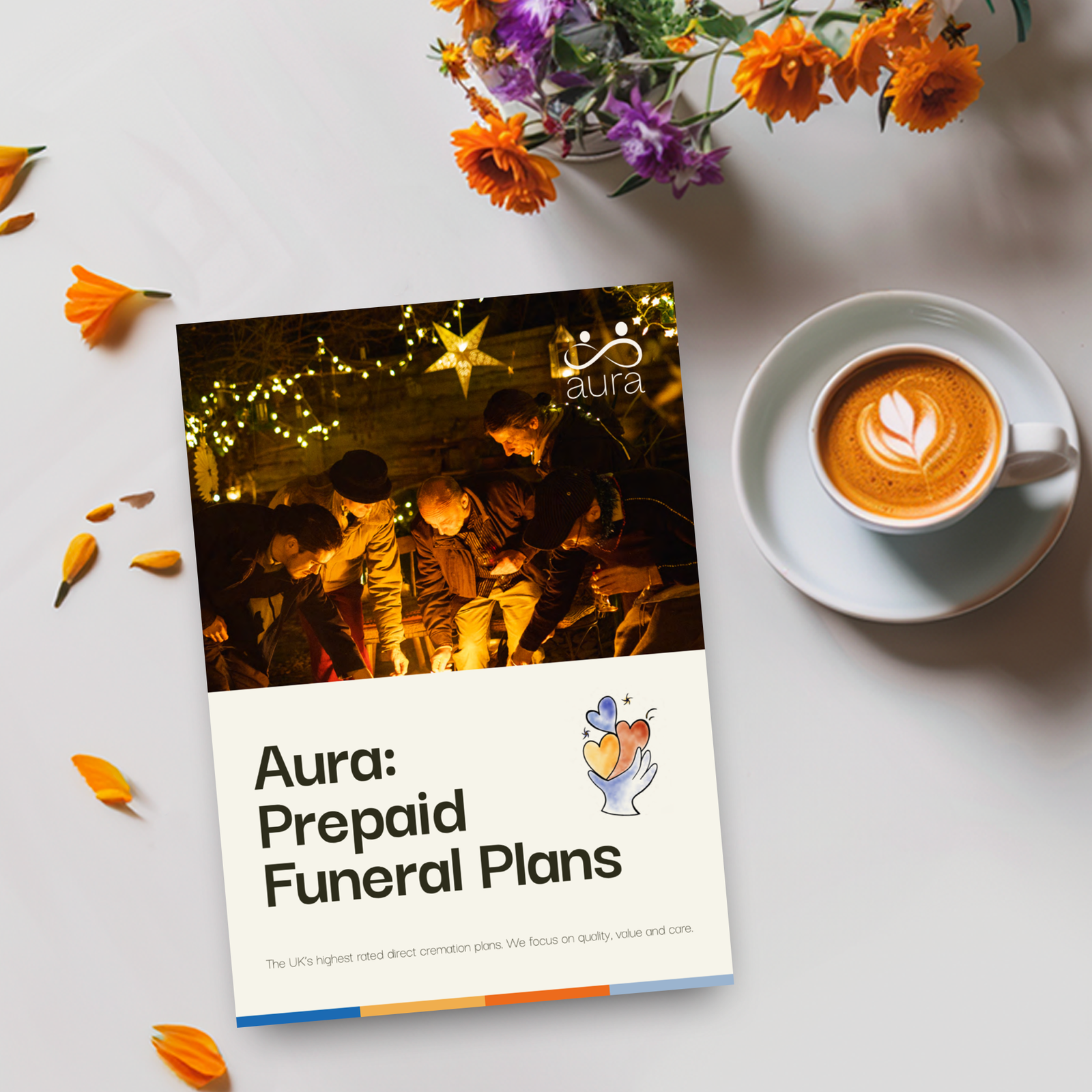
If you’d like to know more about how to plan a cremation with Aura, our brochure is a helpful place to begin.
Our funeral plans are a helpful way to put everything in place for you or someone else.
When the time comes, our experienced team will be here to guide you through each step, offering support and advice whenever you need it.
To find out more about how our plans work, what’s included, and our story, you can request a brochure by clicking the link below. We will then send you a copy by email or First Class post—whichever you prefer.
Remembering someone who has died can help us stay connected to them while we adjust to life after loss. Many people find comfort in memories, rituals, stories and shared traditions.
Remembering them does not stop us from moving forward , it can help us carry their influence, love and presence with us in a healthy and meaningful way.
Meaningful remembrance can look very different from person to person. Some people create photo albums, memory boxes or memorial jewellery.
Others listen to favourite songs, cook family recipes, visit meaningful places, light candles or celebrate birthdays and anniversaries in special ways. Small everyday rituals are often the most powerful.
There is no right or wrong way to remember someone and the most meaningful acts are usually the ones that feel personal and genuine to you.
A memorial keepsake box is a place where you can safely store meaningful items connected to the person who has died. People often include photographs, letters, jewellery, tickets, handwritten notes, cards or small possessions that hold emotional significance.
There are no rules about what belongs inside. Some people keep their box private, while others place it somewhere accessible so family members can revisit memories together whenever they want to feel close to the person they miss.
Birthdays and anniversaries can feel emotionally intense after someone dies, but many people find comfort in marking them intentionally.
You might visit a meaningful place, cook their favourite meal, gather with family and friends, light a candle, listen to music connected to them or spend quiet time reflecting. Some people prefer private remembrance, while others want company and celebration.
There is no correct way to approach difficult dates , the best approach is the one that feels manageable and meaningful to you.
Yes. Many people now preserve memories digitally using cloud storage, online memorial pages, social media memorialisation settings or private family archives. These can include photographs, videos, voice recordings, written memories and messages from loved ones.
Platforms such as Much Loved allow families to share stories and tributes together online. Digital preservation can help families safely organise memories long term and make them easier to revisit and share with future generations.
Art can become a powerful form of remembrance. Some people create paintings, illustrations, poems, music, memory scrapbooks or memorial tattoos inspired by the person they have lost. Others commission portrait artwork, handwriting jewellery, fingerprint keepsakes or memorial glass pieces incorporating ashes.
Creative expression can help people process grief while also producing something lasting and meaningful. The process itself can feel healing, especially when it reflects the personality or passions of the person being remembered.
Sharing stories about someone who has died helps keep their personality, humour and memories alive. Telling stories with family and friends can create moments of connection, comfort and even laughter during grief. It also helps future generations learn about the person and feel connected to them.
Many people choose to support charities or causes connected to the person they have lost. This could involve fundraising, volunteering organising memorial events, planting trees or making donations in their name.
Some families create annual traditions such as charity walks or sponsored events on birthdays or anniversaries. Acts of service can feel especially meaningful because they continue something positive in the person’s memory and allow others to benefit from their legacy too.
Yes. For many people, spiritual or religious rituals offer comfort and reassurance during grief. This might include prayer, meditation, lighting candles, attending services, visiting places of worship or speaking with faith leaders.
Even for people who are not religious, reflective practices such as mindfulness or quiet moments of remembrance can feel grounding and supportive. Spiritual remembrance often helps people feel connected, comforted and less alone while processing grief.
Yes , many bereaved people find writing letters deeply comforting. Writing allows people to express feelings, thoughts, regrets, gratitude or everyday updates in a safe and private way.
Some people write regularly, while others only do so occasionally on birthdays, anniversaries or difficult days. These letters are not about “moving on” or pretending someone is still physically present. Instead, they can help maintain a sense of emotional connection and support healthy reflection during grief.
Remembering someone and moving forward with life are not opposites. Bereavement research increasingly shows that maintaining a connection with the person who has died can support healthy grieving rather than prevent it.
Over time, many people find that grief changes shape rather than disappearing completely. However, if grief is significantly affecting your ability to cope with daily life for a prolonged period, it may help to speak with a GP, bereavement counsellor or support organisation.
Absolutely. Many people find comfort in remembering someone together with family and friends. Shared remembrance might involve gatherings, celebrations of life, anniversary meals, memorial walks, storytelling evenings or simply spending time together talking about the person who has died.
Group remembrance can help people feel less isolated in grief and creates space for different memories and perspectives to be shared. Often, hearing how others remember someone helps keep their personality and presence vividly alive.