×

Plan ahead and save up to £200 Save up to £200 on selected funeral plans until 30 September. T&Cs apply. Click here for full details.

Two Together: Save £100!Save £100 when you purchase two funeral plans together. Call us for more details.


Written by Adam McIlroy.
19 minute read

In the UK, funeral preferences have changed significantly in recent years. More people are choosing direct cremation because it offers a more flexible and less formal alternative to a traditional funeral.
As a result, many families are now thinking more carefully about what they would like to do with the ashes of someone they love. One option is to hold an ash scattering ceremony.
In this guide, we explain what an ash scattering ceremony is, how it works, and what practical and legal considerations to keep in mind. We also share ideas that may help you create something personal and meaningful.
If you are reading this after the death of a loved one, we hope this guide helps you feel informed and supported while making arrangements.
Key takeaways:

An ash scattering ceremony is a gathering where the ashes of someone who has died are scattered in a place that meant something to them. The ceremony can be formal or informal, large or small. Some families hold it soon after the cremation, while others wait weeks, months or longer.
After a direct cremation, many people feel unsure about what to do with the ashes. There is no right or wrong choice. Some families keep the ashes at home, some choose the interment of ashes, and others decide to scatter them somewhere meaningful.
For many people, scattering ashes feels like a gentle way to say goodbye. It can offer a sense of peace and connection, especially when the location reflects the life and personality of the person who has died.
Families often choose locations that held special memories. It might be a favourite beach, a walking route, a football ground or a peaceful countryside spot. Gathering together in a place that mattered can help create a meaningful moment of reflection and remembrance.
Before arranging a ceremony, it is important to check whether permission is needed and to think about the environmental impact of scattering ashes in one location repeatedly.
Yes. In most cases, you can legally scatter ashes in the UK on land or at sea. The most important thing is making sure you have permission where needed and that you treat the location with care and respect.
Some places have their own guidance or restrictions, so it is always worth checking in advance. Doing this ahead of time can help the day feel calmer and more straightforward for everyone involved.
If you would like to scatter ashes on private land, including a garden, woodland or farmland, you will need permission from the landowner.
It can help to ask in writing so everyone feels clear and comfortable about the arrangement. If the property is rented or leasehold, permission may also be needed from the landlord.
Public parks, beaches and countryside areas are often managed by local councils, the National Trust or National Park authorities.
Many organisations allow ash scattering, but some ask for advance notice or have guidance about where ceremonies can take place. Checking beforehand can help avoid unnecessary stress on the day.
The National Trust also provides guidance for families planning to scatter ashes on land it manages.
In most cases, no formal permission is needed to scatter ashes at sea or in rivers in the UK.
It is still important to act thoughtfully. Avoid areas used for drinking water and try to choose a quiet location that will not disturb others nearby.
For further guidance, families can refer to the Environment Agency for advice on scattering ashes responsibly.
Sports clubs, churches and cemeteries each have their own rules around ash scattering.
Some welcome these ceremonies, while others may charge a fee or ask families to use a designated area. Contacting the organisation in advance is always the best approach.
Many National Parks and protected landscapes allow ash scattering, as long as it is done respectfully.
Families are usually asked to avoid busy footpaths and popular tourist areas. Repeated scattering in one place should also be avoided, as large quantities of ashes can affect local plant life over time.
The most meaningful place to scatter ashes is often somewhere that mattered to the person who died. That could be a favourite walking route, a beach they returned to every year or simply a quiet place where they felt happy.
Scattering ashes at sea is one of the most popular choices in the UK. Many people find comfort in the openness and calmness of the water.
Some families hire a boat for the ceremony, while others gather at the shoreline. Biodegradable urns designed for water are widely available and can make the process feel simpler and more natural.
Rivers and lakes can offer a peaceful setting for a ceremony.
Popular choices include the Thames, the Lake District and Scottish lochs. While permission is not usually required for the scattering itself, you may need access permission for nearby land or private riverbanks.
A family garden can feel deeply personal and comforting.
Some families find reassurance in keeping the ashes close to home. Others prefer a location that will remain accessible even if the property changes hands in the future.
For people who loved the outdoors, hillsides and mountain landscapes can feel especially meaningful.
The Lake District, Snowdonia and the Peak District are popular choices. Before arranging the ceremony, think about accessibility and weather conditions for everyone attending.
Woodlands can provide a calm and reflective setting for a farewell.
Many organisations, including the National Trust and Woodland Trust, allow ash scattering as long as families act thoughtfully and avoid disturbing wildlife or busy walking routes.
Beaches are a popular option because they offer space, fresh air and a strong connection to nature.
Wind direction is important when scattering ashes near the coast. Many families choose to scatter close to the shoreline so the tide carries the ashes out to sea.
Many football clubs and sporting venues have memorial schemes or designated remembrance areas.
If the person who died was a passionate supporter, this can be a very personal way to honour them. Contact the venue directly to understand their process.
Churchyards and crematoria often have gardens of remembrance where ashes can be scattered or interred.
These spaces can feel peaceful and comforting, especially for families with a religious faith or a strong connection to a local community.
Not every meaningful location needs to be dramatic or traditional.
Some families choose a favourite café, a local park, a racecourse or another place connected to happy memories. What matters most is the connection the place had to the person who died.
Ash scattering releases ashes into a meaningful outdoor place. Burial places ashes or a body in a dedicated plot, usually in a cemetery or churchyard.
The choice often comes down to what feels most comforting for the family and whether they would like a permanent place to visit.
Burial creates a fixed place of remembrance, often marked with a headstone or plaque.
Ash scattering can feel more symbolic of freedom and return to nature. Many families still revisit the location where the ashes were scattered, even without a formal memorial.
Some people find comfort in having a permanent place to visit on birthdays and anniversaries.
Others prefer a more open sense of remembrance without the pressure of maintaining or visiting a grave.
Different faiths and cultures have different traditions around cremation and burial.
Some religions favour burial, while others include ash scattering as an important part of their customs. Personal beliefs on death and funerals can play a significant role in deciding whether to choose burial, cremation or ash scattering.
Families may wish to speak with a religious leader if guidance would help.
Burial is usually more expensive than ash scattering.
An ash scattering ceremony can cost very little, particularly if it takes place outdoors without venue hire or formal arrangements.
Some families choose both burial and scattering.
For example, they may scatter some ashes in a meaningful place while interring the rest in a memorial garden. This can help families balance different wishes and preferences.
Planning an ash scattering ceremony can feel emotional, especially if you are making decisions soon after a bereavement. Taking things one step at a time can help.
There is no single right way to hold a ceremony. Some are quiet and private, while others are larger celebrations of a person’s life.
The location is often the heart of the ceremony.
Many families choose somewhere connected to happy memories or an important part of the person’s life. It may be somewhere they visited often or somewhere that reflects their personality and interests.
Before making plans, check whether permission is needed and think about practical details such as travel, parking and accessibility.
The time of year can make a big difference to the experience, especially for outdoor ceremonies.
Families sometimes choose a meaningful date, such as a birthday, anniversary or another important occasion. Others simply wait until everyone feels emotionally ready.
Some ceremonies involve only immediate family, while others include a wider group of friends and loved ones.
Think about what would have felt right for the person who died and what feels manageable for everyone attending.
Some families also choose to ask a celebrant or religious leader to guide the ceremony and help with readings or tributes.
Ash scattering ceremonies are often simple and informal, so you do not need to bring very much. A few thoughtful items can help the day feel more comfortable and personal.
Some families also bring photographs, candles, letters or written memories to share during the ceremony.
Others invite attendees to scatter petals or wildflower seeds alongside the ashes.
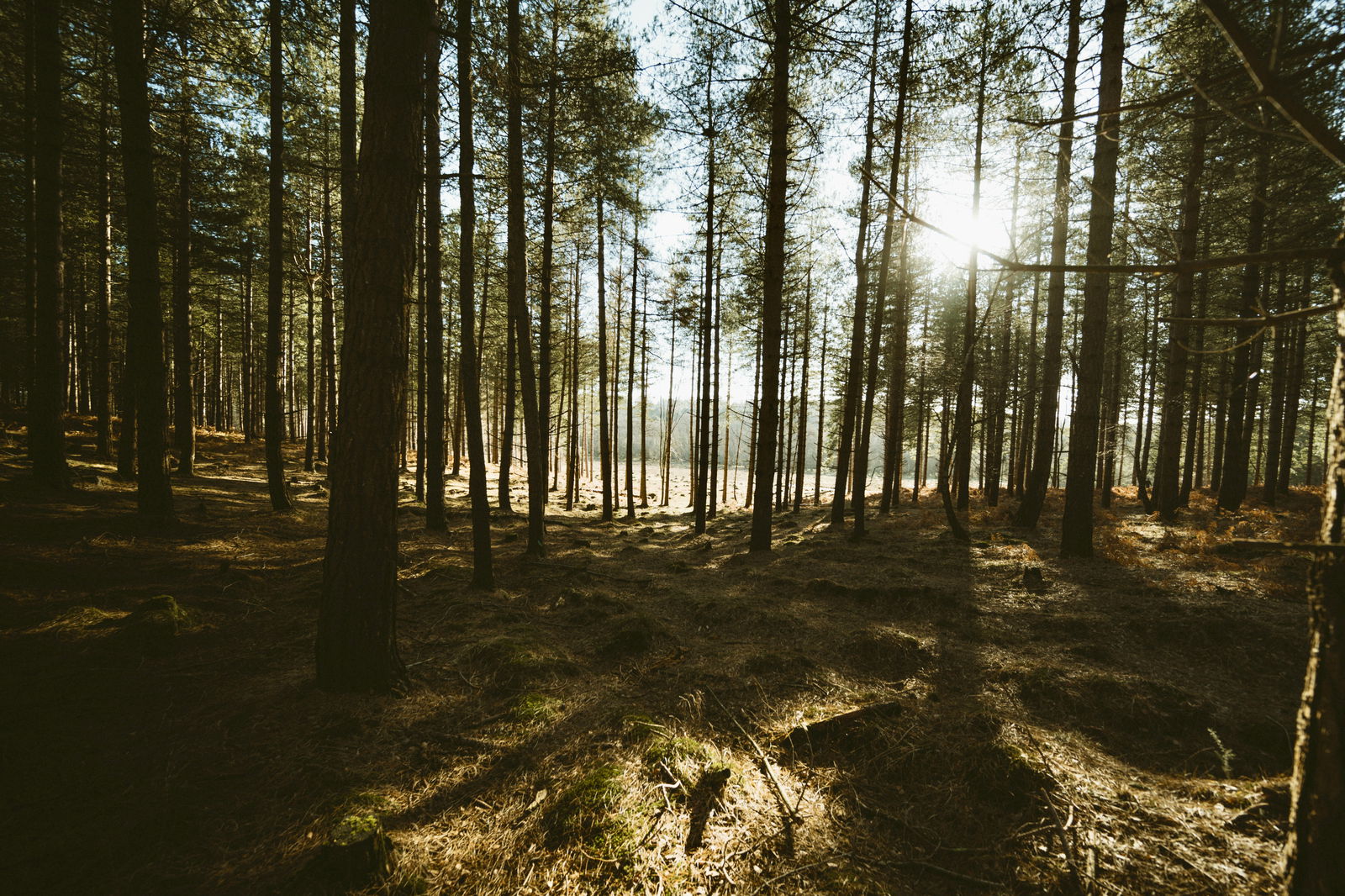
Ash scattering ceremonies do not need to follow a formal structure. Still, some families find it helpful to have a simple plan for the day.
A family member, friend or celebrant welcomes everyone and explains why they have gathered.
This could be a favourite poem, a religious reading or a few personal words about the person who died.
Some families play meaningful music, while others prefer a quiet moment for reflection.
The ashes are scattered by one person or shared among several family members.
Friends and family may wish to share memories, funny stories or moments that capture the person’s character.
This might include lighting a candle, planting flowers or placing a stone at the location.
Many ceremonies end with a final reading, quiet reflection or refreshments shared together afterwards.
For some families, religious or cultural traditions are an important part of the ceremony.
Certain faiths include prayers, chanting or the scattering of ashes in flowing water. If this is important to your family, it may help to speak with a religious leader while making plans.
While there has been a wider decline of religion in the UK in recent decades, religious and cultural traditions still remain deeply important for many families.
One of the strengths of an ash scattering ceremony is the flexibility to make it personal.
Families may choose meaningful songs, favourite foods, themed clothing or readings connected to the person’s life and interests.
If the person who has died shared their end-of-life wishes before they died, families may wish to include those personal preferences in the ceremony.
Biodegradable scattering tubes and urns can help make the process easier and more dignified.
There are now many different cremation ashes ideas available, ranging from biodegradable urns to memorial keepsakes and artwork.
Some people also choose less traditional ideas, such as memorial fireworks, tree planting or having ashes incorporated into artwork or jewellery. Some families even choose a cremation ashes tattoo as a personal way to remember the person who has died.
Families who want to minimise environmental impact may choose biodegradable products, locally sourced flowers or native wildflower planting.
Simple choices can help the ceremony feel thoughtful and connected to nature.
Some families prefer something more distinctive.
Ashes can be included in memorial glass artwork, jewellery or even high-altitude scattering experiences. What matters most is choosing something that feels meaningful and respectful.
There is no right or wrong size for an ash scattering ceremony.
Some people prefer a quiet private moment, while others feel comforted by gathering a larger group together.
A private ceremony may involve only one or two people.
This can feel especially appropriate when grief is still very raw or when the person who died valued privacy.
A small gathering with close family can create space for honest conversation, shared memories and emotional support.
Larger ceremonies sometimes include music, food and more structured tributes.
They can feel like both a farewell and a celebration of the person’s life.
Some families hold more than one ceremony.
For example, they may have a small private scattering first and then arrange a larger memorial gathering later.
Yes. Many people choose to hold a small ash scattering ceremony for a pet.
Families often choose locations connected to happy memories, such as a favourite walking route, garden or beach.
Pet ashes can also be kept at home, buried or incorporated into memorial items such as jewellery or tree planting kits.
Some families choose to scatter ashes in another country that held special meaning.
This may be a favourite holiday destination, a birthplace or somewhere connected to important memories.
If you are travelling with ashes, take copies of the death certificate and cremation certificate with you.
Most airlines allow ashes in hand luggage, but it is important to check their policy before travelling.
Non-metallic containers are usually recommended for travel, as they can pass through airport security scanners more easily.
Different countries have different rules around ash scattering.
Research local guidance before travelling or contact the relevant embassy if you are unsure.
An ash scattering ceremony does not have to be expensive.
Many families choose simple gatherings outdoors that cost very little beyond travel and refreshments.
Scattering ashes in open countryside, at the coast or in a garden may involve no additional cost.
Costs at this level might include flowers, printed readings, biodegradable urns or refreshments.
Hiring a celebrant, chartering a boat or arranging a venue may increase costs.
More specialised memorial options, such as memorial jewellery or space scattering services, can cost significantly more.
Ash scattering ceremonies can bring up many different emotions.
Some people may want to share stories and memories, while others may prefer quiet reflection. Both reactions are completely natural.
Everyone experiences grief differently, and ceremonies like these can play an important role in dealing with grief together as a family.
Creating space for people to experience the ceremony in their own way can help everyone feel more comfortable and supported.
UK weather can change quickly, even in summer.
Bringing waterproof clothing and having a backup indoor location nearby can help everyone feel more comfortable.
Before choosing a location, think about whether elderly or mobility-impaired guests will be able to reach it safely.
Sometimes a simpler location allows more people to take part comfortably.
Children can absolutely be included in ash scattering ceremonies.
Using simple, honest language and allowing them to take part in their own way can help them feel supported and involved.
For many families, the scattering of ashes becomes one of the most meaningful moments of remembrance. It offers time to reflect, share memories and say goodbye in a way that feels personal.
At Aura, we understand how important these moments can be. Whether you are planning ahead or arranging a funeral after the death of someone close to you, we are here to offer clear guidance and compassionate support.
Aura is a family-run company founded by Paul Jameson after his diagnosis with motor neurone disease in 2017. Since 2019, he has run the company alongside his son David, our CEO, and Ben, our COO and long-standing family friend.
Everything we do is shaped by the belief that funeral care should feel compassionate, respectful and personal. Our team is here to provide guidance and support.


If you have any questions, would like a brochure or simply would like a chat through our services, our award-winning team is here to help.
Unlike other providers, we won’t hassle you with constant calls. We’ll simply ensure you have the information you need and leave you to come to a decision in your own time. When you’re ready for us, our team will be ready to help.
Our team is available Monday–Friday, 9.00–5.00pm.
An ash scattering ceremony is a meaningful gathering where the cremated ashes of a loved one are released in a chosen location. It’s often held as an alternative or complement to a traditional funeral, and can be tailored to reflect the person’s values, beliefs, or personality.
Ashes can be scattered on private land with permission from the landowner, in your own garden, at sea, on rivers or lakes, or in designated areas like woodland burial grounds or public beauty spots—if you have the appropriate consent. Always check environmental and legal guidelines first.
Yes, permission is always required unless the land is your own. For public or protected areas, like national parks or water bodies, contact the relevant local authority or land manager to check for regulations or restrictions.
There is no required timing. Some families choose a date with personal meaning, such as a birthday or anniversary. Others prefer to wait for suitable weather, as ceremonies often take place outdoors.
That depends on your preference and the wishes of the person who has died. Some ceremonies are intimate, with only close family and friends, while others may be larger and open to a wider group. Consider what feels appropriate and manageable for the location.
Yes. You can incorporate music, readings, poetry, personal stories, symbolic items like candles or flowers, or dress codes based on shared memories or interests. The ceremony can reflect any cultural, religious, or spiritual traditions—or be entirely personal.
Some people scatter ashes from a scenic hilltop or by the sea. Others may use biodegradable urns designed for water or land, or even firework displays that launch ashes into the sky. There are also eco-conscious options such as scattering with a tree planting.
Yes. Sea scatterings are allowed in UK coastal waters, but you should stay at least three miles from the shore and use biodegradable containers if applicable. You can hire a boat for this purpose and may wish to invite a celebrant or spiritual leader to guide the ceremony.
Ash scattering releases ashes into nature, while burial places them in a permanent plot or memorial location.
Some ceremonies last only a few minutes, while others may continue for an hour or more.
Costs vary widely depending on the type of ceremony and any additional arrangements.
In some locations, it may be possible to install a small plaque, plant a tree, or create a natural marker. Always check with the landowner or authority before placing any permanent tribute.